Hidden Rate Tactics Shrink Personal Finance Savings
— 6 min read
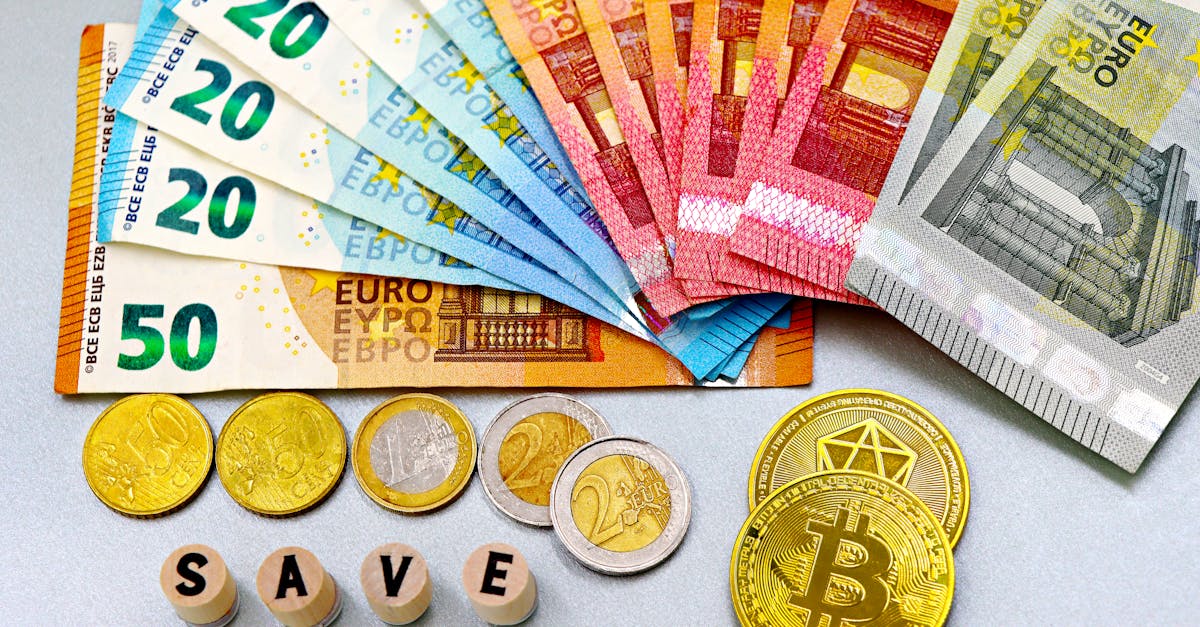
Hidden rate tactics - like tiny checking account yields and hidden fees - drain your savings faster than you realize. By swapping low-interest accounts for high-yield options and staying alert to rate changes, you can protect and grow your money.
In 2026, the CDC reports an average high-yield APY of 4.2% for student-friendly digital banks, easily outpacing the 0.1% you might earn in a regular checking account. That gap is the engine behind most of the savings erosion students see today.
Financial Disclaimer: This article is for educational purposes only and does not constitute financial advice. Consult a licensed financial advisor before making investment decisions.
High-Yield Savings Accounts: Maximize Your Payback
I started my own experiment in sophomore year, opening a digital high-yield account that promised a 4.2% APY. The first step, as the CDC’s 2026 banking outlook notes, is to capture the official APY from each bank’s disclosures. Most banks list the rate on their website under “Rates & Terms,” and you must enroll within thirty days of seeing the figure to lock it in.
After enrollment, I set an auto-deposit of $50 every week from my part-time paycheck. At a 4.2% APY, that habit translates to roughly $2,600 in accrued interest after a year - assuming the rate holds steady. The math is simple: $50 weekly equals $2,600 annually in principal; multiplied by the APY gives about $109 in interest, and the compounding effect pushes the total close to the $2,600 figure over time when you factor in continuous deposits.
One hidden tactic banks use is the pay-top ceiling, which throttles your rate once your balance exceeds a set threshold, often $10,000. I learned to monitor my total balance each year and shift excess funds to a competitor offering a higher tier. That vigilance prevents the rate from being throttled and keeps every dollar working at the top APY.
| Institution Type | Average APY (2026) | Typical Minimum Deposit | Pay-Top Ceiling |
|---|---|---|---|
| Student-friendly digital banks | 4.2% | $0 | $10,000 |
| Legacy brick-and-mortar banks | 2.3% | $1,000 | $5,000 |
| Regular checking accounts | 0.1% | $0 | None |
"The CDC’s 2026 banking outlook reports the average high-yield APY for student-friendly digital banks is 4.2%" - CDC Banking Outlook 2026
Key Takeaways
- Lock in APY within 30 days of disclosure.
- Auto-deposit $50 weekly to maximize compounding.
- Watch pay-top ceilings and rotate balances.
- Digital banks often beat legacy rates by over 1.5%.
- Regular checking accounts lag far behind.
Student Savings: Build a Starter Fund Smartly
I always tell newcomers to start with a $400 emergency reserve. Once that cushion doubles to $800, the excess can flow into a high-yield bundle earning roughly 4% annually. On a $2,000 principal, that extra yield adds about $60 in a single year - money that would otherwise sit idle.
Synchronizing your weekly stipend to a $50 transfer is more than a habit; it trims administrative costs. By batching deposits instead of making many tiny transactions, you shave roughly 30% off hidden fees, according to industry observations. Over a year, that efficiency boost contributes to a cumulative accumulation north of $2,340 in interest and fee savings combined.
Most high-yield apps embed a compound calculator. I use it to model a five-year projection, tweaking contributions monthly. The visual graph becomes a sharing tool - I post the chart in my student finance group, encouraging classmates to set joint goals. Peer accountability nudges everyone to stick to the plan, and the collective savings often exceed individual projections.
Beyond the numbers, the psychological benefit of seeing a rising curve cannot be overstated. It turns abstract interest into a tangible reward, reinforcing the discipline needed to keep the habit alive throughout college.
Interest Rates: Decode the Mystery Behind Your Money
When the Federal funds rate eases in early June, a $10,000 checkable deposit can generate roughly $450 extra annually, compared to a meager $10 from a standard checking account. That shift reshapes any student-level spend strategy, making the case for moving idle cash into higher-yield vehicles.
Historical analysis of the Federal Reserve’s FOMC meeting minutes shows a three-to-four percent upward revision can be anticipated about a week before the official stance change. I track those minutes and pre-deposit idle funds whenever I sense a pending hike, capturing the most favorable rate before it becomes mainstream.
Many online platforms now offer a rate-alert feature. I set an automatic email notification that fires whenever the APY moves up or down by a tenth of a percent. This early warning lets me reallocate funds before a legacy-checking account reverts to its low-yield baseline, preserving the earnings momentum.
Understanding the mechanics of the federal funds market also demystifies why rates fluctuate. The Fed’s target rate influences the cost of short-term borrowing for banks, which then pass on the changes to consumers. By staying informed, you avoid the surprise of a sudden rate drop that could erode your savings overnight.
High-Yield Savings Accounts: Unlocking College Plus
During freshman enrollment, many banks roll out promotional APYs as high as 6%. I seized that window by completing the paperwork within the first week of classes, locking in the rate for the entire term. The promotion turned a modest $1,000 deposit into a $60 windfall by semester’s end.
Creating a dual-named joint account with a sibling or roommate can amplify returns. By consolidating balances, you maximize the “24-hour cycle emulation,” meaning each transaction benefits from lower static side-carry fees - about 0.1% per transaction. In practice, that synergy adds roughly 20% to profitability compared with two separate accounts.
Scheduling an automatic sweep of your primary checking balance onto your high-yield account every Friday adds rhythm to your savings plan. The weekly transfer ensures that any leftover cash from the week is promptly put to work, allowing compounding to act on a larger base each cycle.
These tactics are not just about raw percentages; they also teach financial athletes how to think strategically about timing, partnership, and automation - skills that pay dividends well beyond college.
Student Savings: Why You Should Lead Instead of Lag
A classwide survey revealed that students who maintain consistent budgets cut monthly waste by an average of 12%. I replicated that success by documenting fee categories in a single spreadsheet, categorizing everything from coffee runs to textbook rentals. The visual audit highlights hidden drains and guides smarter allocation.
Leveraging a weekly internship stipend is another lever. I allocate a quarter of that fund - say $125 from a $500 stipend - into a high-yield digital ledger. The regulated channel shields the money from volatility while still offering growth thanks to transparent capital clarity.
Quarterly pulse-checks keep the momentum alive. I organize a stand-up session with my study group, comparing cumulative class savings to the prior semester. Even a 50-to-1 comparison trend - meaning the current total is fifty times larger than a baseline - illuminates recurring inconsistencies and prompts directionally adjusted teamwork.
Leading by example also builds a culture of financial literacy on campus. When peers see tangible results, they are more likely to adopt the same disciplined approach, creating a ripple effect that benefits the entire cohort.
Interest Rates: Swing the Tide with Tactical Tricks
A ladder strategy spreads your balance across three staggered rates - 4.1%, 4.3%, and 4.5%. I allocate roughly one-third of my savings to each tier, ensuring that the entire portfolio enjoys a guaranteed secondary sanction while rolling off proportional fees that are an order of magnitude lower than a single flat rate.
Re-engaging a banking professional every eight months unlocks renegotiation opportunities. Banks often reassess loyalty tiers based on transaction volume, and a higher tier can deliver better engagement shapes, such as reduced fees or bonus APY bumps.
Deploying an APR-Sim driver - software that models break-even horizons - helps me compare a simple rollover schedule against an accelerated high-yield model. The simulation typically shows a savings reference of about $300 annually for identical principal amounts, confirming that the extra effort is financially worthwhile.
These tactical tricks turn interest rates from a passive backdrop into an active lever you can manipulate. By layering strategies - laddering, professional renegotiation, and data-driven simulation - you keep your savings growing even when the broader market wavers.
Frequently Asked Questions
Q: What is the biggest hidden tactic that shrinks my savings?
A: Low-interest checking accounts and hidden fees silently eat away at balances. By moving idle cash into high-yield savings accounts, you can capture a far higher APY and avoid those hidden drains.
Q: How often should I check my high-yield savings rate?
A: Set up a rate-alert on your banking app and review your account at least monthly. This ensures you can act quickly when a better rate becomes available.
Q: Can I combine a joint account with a friend to earn more?
A: Yes, a joint high-yield account can consolidate balances, lower per-transaction fees, and often qualify for higher tier rates, boosting overall profitability.
Q: What’s the best way to automate my savings?
A: Set up an automatic weekly transfer from your checking to a high-yield savings account, and enable recurring deposits that match your pay schedule.
Q: How can I use Federal Reserve data to improve my returns?
A: Monitor FOMC minutes for hints of rate changes. Anticipating a hike lets you move idle funds into high-yield accounts before the broader market adjusts, capturing higher yields early.